How to Create a Balanced Event Calendar
Crafting a balanced event calendar can enhance community engagement and ensure that all demographics are catered for. This article provides a systematic approach to creating an effective event calendar, particularly for those aged 40-60.
Understanding the Importance of Balance
Creating a balanced event calendar is essential for fostering a vibrant community, especially for individuals aged 40-60. According to research, a well-rounded calendar can enhance social interaction and participation in local activities. Many experts recommend that a balanced mix of events can significantly improve community engagement.
"A diverse event calendar can lead to increased attendance and a sense of belonging within the community." - Community Engagement Expert
Key Principles for a Balanced Event Calendar
When developing an event calendar, consider the following principles to achieve balance:
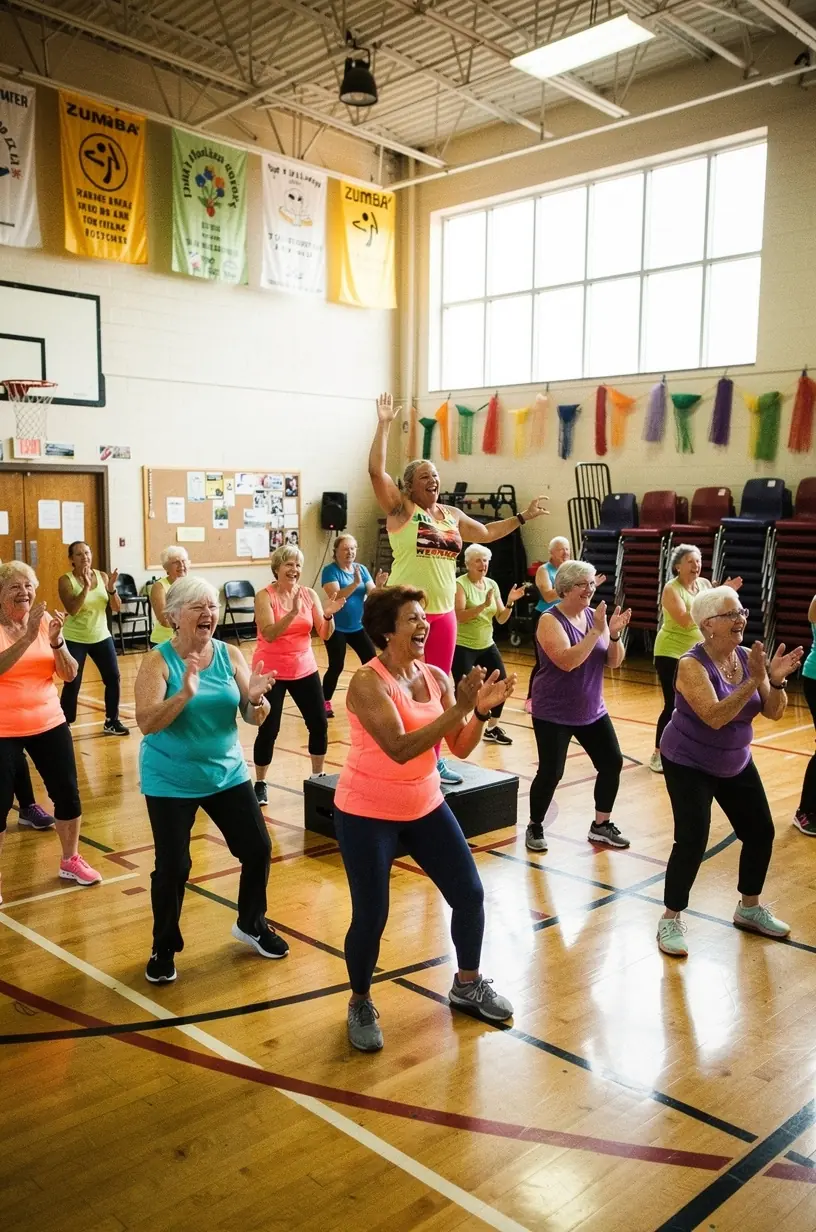
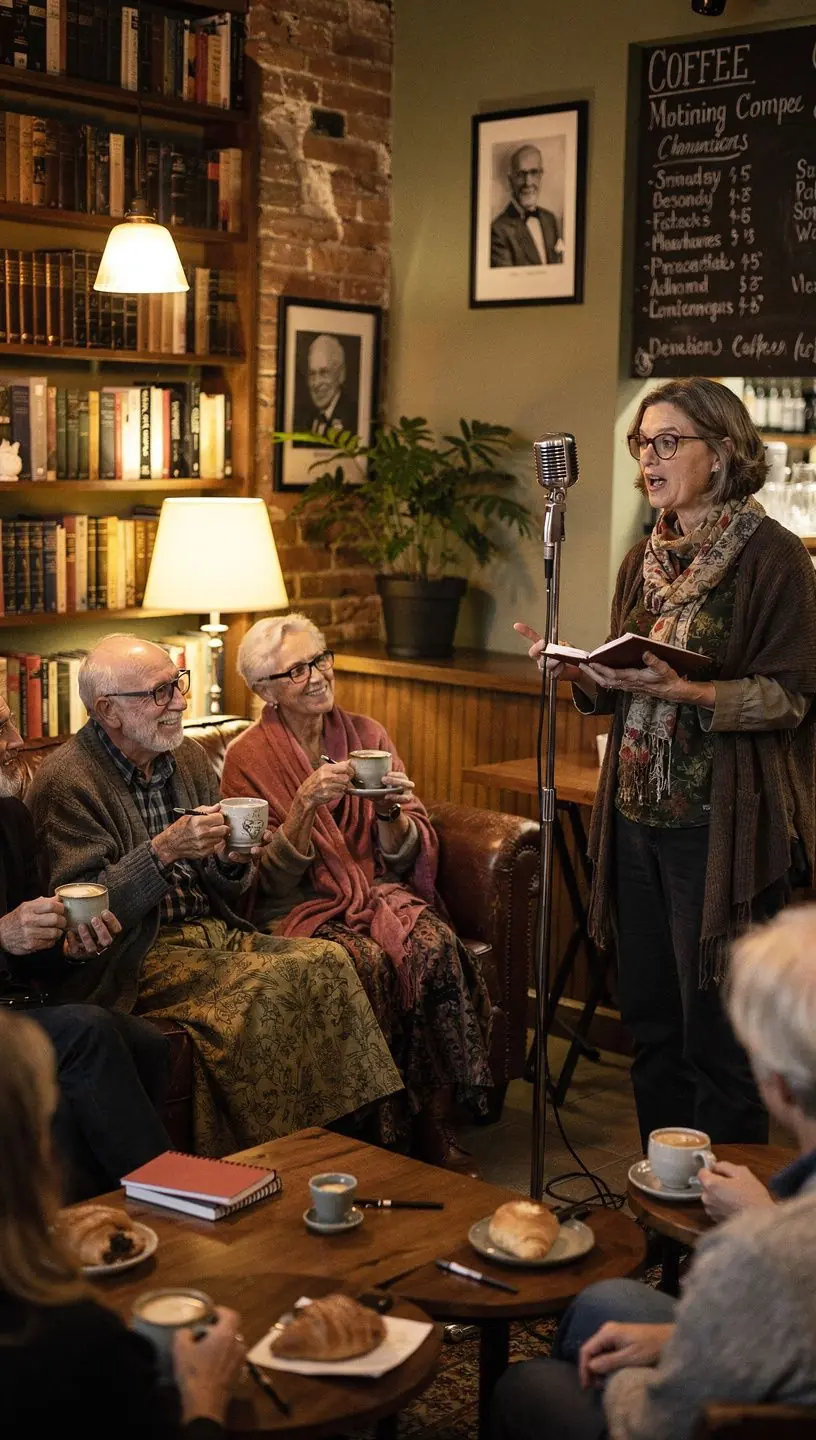
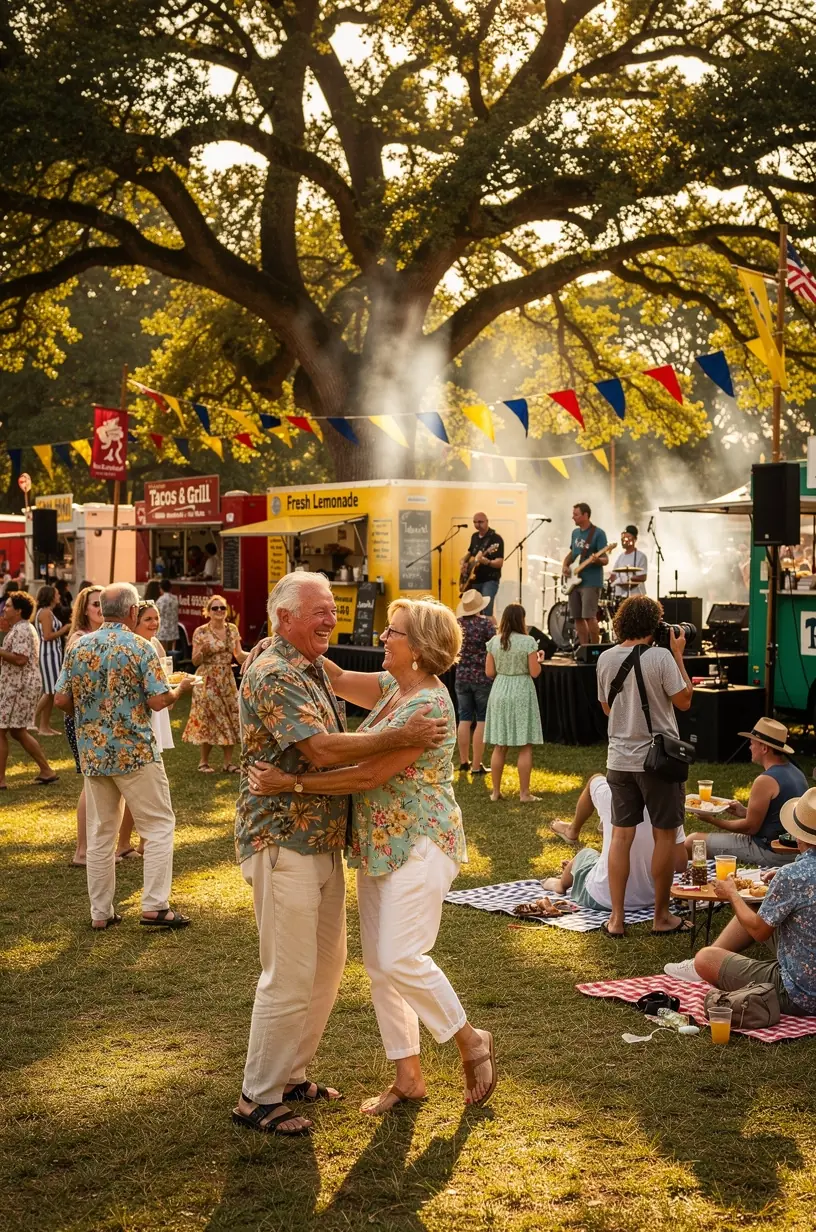
- Diversity of Events: Incorporate a variety of events such as musical performances, workshops, recreational activities, and social gatherings. Research indicates that diverse offerings can attract a wider audience.
- Inclusivity: Ensure events are accessible to different demographics. Events that cater to various interests and abilities often see higher participation rates. For instance, adaptive classes can engage individuals with different needs.
- Timing and Frequency: Schedule events at different times and avoid clustering similar types of activities. This approach allows people to participate in multiple offerings without feeling overwhelmed. Many users report better turnout for events spaced out over the month.
Steps to Create Your Event Calendar
- Research Community Interests: Begin by surveying community members to understand their preferences. This can be achieved through informal discussions, online polls, or questionnaires.
- Set Clear Objectives: Define what you want to achieve with your calendar. Whether it's to increase social interactions or to promote local culture, having clear goals will guide your event selection.
- Plan for Variety: Aim to include a mix of cultural, recreational, and educational events. For example, pairing a musical event with a workshop on healthy living can cater to different interests.
- Evaluate and Adjust: After launching your calendar, gather feedback and make adjustments as necessary. This process typically takes 2-4 weeks as you assess participation and engagement levels.
Setting Realistic Expectations
Creating a balanced event calendar involves a significant commitment of time and effort. It requires continuous monitoring and an understanding of community dynamics. While results may vary, many organizations find they see improved engagement within the first few months of implementing a well-structured calendar.
Conclusion
In summary, developing a balanced event calendar is not only about filling dates; it’s about enriching the community experience for those aged 40-60. By following these principles and taking a thoughtful approach, you can create an engaging and inclusive calendar that meets the needs of your audience. Remember, the goal is to foster a sense of community and ensure that everyone feels welcome to participate in local events.
Learn More