Exploring Outdoor Recreation Activities for All
As we navigate our 40s, 50s, and beyond, outdoor recreation can offer numerous benefits, from improved physical health to enhanced social connections. This article explores various outdoor activities that individuals aged 40–60 can enjoy, highlighting their benefits and practical considerations.
Understanding the Benefits of Outdoor Activities
Engaging in outdoor recreation is often associated with a range of health benefits. According to research, spending time outdoors can improve mood and reduce feelings of anxiety or depression. In fact, studies indicate that natural light exposure and physical activity can increase serotonin levels, which may enhance overall well-being.
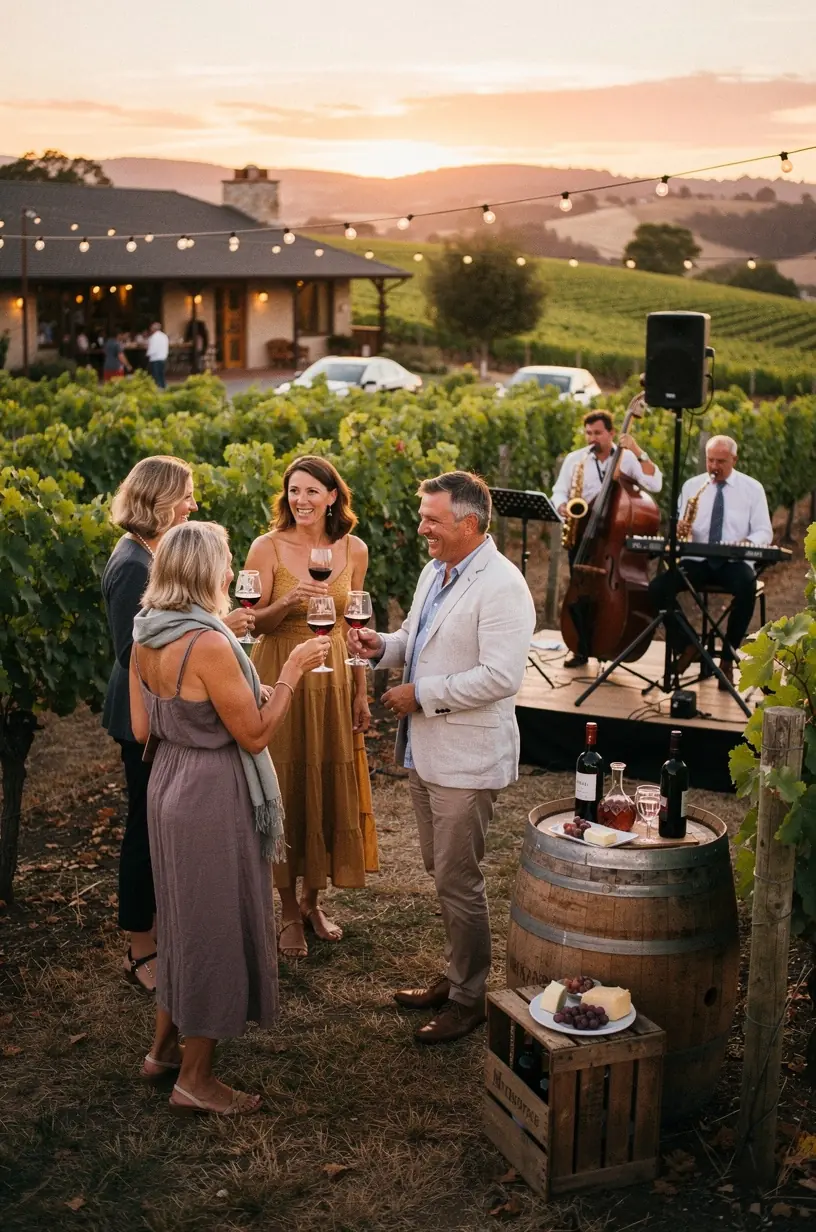
"Engaging in outdoor activities has been shown to have a positive impact on mental health, particularly for those experiencing mid-life transitions." – Health Experts
Popular Outdoor Activities to Consider
When selecting outdoor activities, it's essential to consider both your interests and physical abilities. Here are some popular options that many find rewarding:
- Hiking: A low-impact activity that can be tailored to different fitness levels. Experts recommend starting with shorter trails and gradually increasing difficulty. Hiking regularly can improve cardiovascular health and increase endurance.
- Cycling: This activity can be enjoyed solo or in groups and is an effective way to explore local areas while getting a workout. Research suggests that cycling can enhance joint mobility while reducing stress.
- Gardening: Not only does gardening involve physical activity, but it also connects individuals with nature. Studies show that gardening can lead to improved mental health and physical fitness.
- Bird Watching: A peaceful hobby that encourages quiet observation of nature. Many users report that bird watching can significantly reduce stress levels and promote mindfulness.
Getting Started: Tips for Success
While outdoor activities can be enjoyable, it's important to approach them with a clear understanding of the commitment involved. Here are some tips for getting started:
- Set Realistic Goals: Start with achievable objectives, such as hiking once a week or taking a short bike ride. Many experts recommend gradually increasing your activity level to avoid burnout or injury.
- Choose the Right Gear: Invest in quality equipment that suits your chosen activities. Whether it’s comfortable footwear for hiking or a reliable bike, having the right gear can enhance your experience.
- Connect with Others: Consider joining local clubs or groups. Many participants find that engaging with others makes outdoor activities more enjoyable and provides accountability.
- Listen to Your Body: Pay attention to how your body responds to new activities. Acknowledge any discomfort and adjust your plans accordingly. This is crucial for sustaining long-term participation.
Conclusion
Outdoor recreation activities can enrich our lives significantly, especially for those in the 40–60 age range. While the benefits are numerous, it's vital to approach these activities thoughtfully and with realistic expectations. By starting slowly, setting achievable goals, and engaging with others, you can create a fulfilling and enjoyable outdoor experience that enhances both your physical and mental well-being.